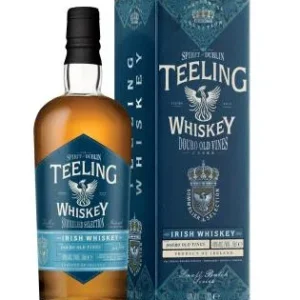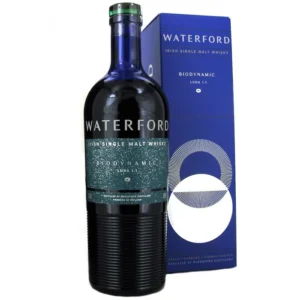
Wine cask
An ex-wine cask, previously used to age wine, embarks on a second life enhancing the complexity and depth of whiskies and other spirits. These casks, having cradled various types of wine—from robust reds to delicate whites—impart nuanced flavors and aromas to the spirit within. The transformation a spirit undergoes in an ex-wine cask is a journey of flavor enrichment, melding the distinct characteristics of the wine with the inherent qualities of the spirit.
The influence of an ex-wine cask on a spirit is multifaceted. Reds, for instance, lend notes of dark fruits, tannins, and a certain richness, while whites can introduce floral, citrus, and lighter fruity notes. This interaction doesn’t just stop at flavor; it also affects the color and texture, adding layers of complexity that are unattainable through traditional cask aging. The type of wood, whether French oak known for its tight grain and subtle spice or American oak offering sweeter vanilla tones, further defines the spirit’s final profile.
Ex-wine casks represent a bridge between the worlds of wine and spirits, showcasing the artistry of cask influence. Distillers choosing these casks are often seen as craftsmen, carefully selecting vessels that complement and enhance the spirit’s natural character. This choice embodies a commitment to exploration and excellence, pushing the boundaries of traditional aging to offer unique and memorable sensory experiences.
The journey from vineyard to distillery reflects a broader narrative of sustainability and innovation, repurposing these casks in a way that respects their past while looking forward to new possibilities. Spirits matured in ex-wine casks invite enthusiasts to explore a rich tapestry of flavors, marking each sip as a testament to the legacy and future of distilling.
Showing all 2 results